Green Exercise


Exercising outside is one of my favourite things to do – I wrote an article for Wisdom Pills about the benefits of Green Exercise which you might like to check out – and so we took advantage of a lovely day at the end of March, Easter Monday to be precise, to ride to Steveston in Richmond, about 20km from Vancouver. Steveston is a pretty destination, a historic fishing and cannery village looking out over the Fraser River with plentiful waterfront restaurants and cafes. Lots of sun on the ride albeit with a chill breeze.

IMG_0416

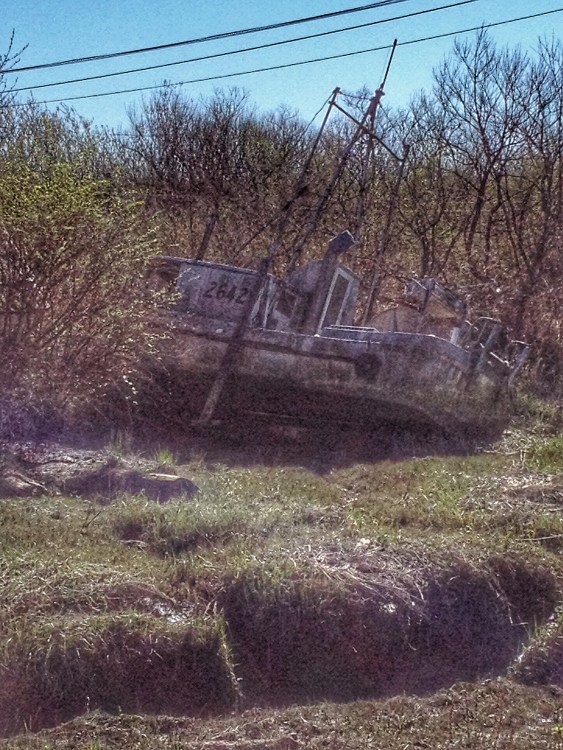
Part of the route passes by historic Finn Slough, accessible by foot or by water. Originally inhabited by Finnish settlers in the 1800’s who made their living fishing, it remains a working village to this day. Residents live in wooden homes both floating and on stilts,  many without a sewage system and relying on wooden stoves for heat. The village developed unplanned and unregulated, an eclectic  collection of houses, boats, boardwalks and sheds surrounded by wetlands.

IMG_1722


IMG_0412


IMG_1720

Just by being outside you encourage your ‘ecological literacy’, learning more about your surroundings and becoming more invested in looking after the natural environment you enjoy.  Getting out of your home and outside also affects your view of urban settings, neighbours and neighbourhoods in general.  And part of the reason I’ve come to love cycling so much is that it increases your access and exposure to  different ways of living, like the inhabitants of Finn Slough, in a low key, low impact way – you almost don’t notice you’re getting exercise at the same time.

Cycling For Pastries

Rain, rain rain…….it’s been virtually constant and chilly too lately with windy gusts that make holing up inside with a good book and a coffee/tea/glass of wine (take your pick) more appealing on days off than getting out for a ride or run or just a walk. It’s not the way to lose a couple of extra winter pounds though so when finally a momentary lull in the daily downpours and a hint of sunshine lurking behind heavy clouds broke out we were enticed to run the bikes out into the chilly air and take off for a ride.

There’s a decent route to take in Vancouver for a good enough workout and some vistas of the mighty Fraser River (the longest river in BC and the 10th longest river in Canada for those who like to know those kind of things). We cycled to SW Marine Drive – a busy road but with a wide, mostly debris free cycle lane that distantly follows the shoreline of the river as it flows into the Georgia Strait – and headed west, ducking off at one point to enjoy a view over the  water.

river blog photos

Carrying on the road will ultimately take you to the beginnings of the campus of UBC (University of British Columbia) perched on the peninsula that is home to Pacific Spirit Regional Park. There you can either wend and weave your way past the university  buildings or circumvent the campus and fly down a steepish portion of road (now NW Marine Drive) adjacent to the sea until it spits you out to sea level where you ride past several beaches – almost deserted now except for a few  joggers, dog walkers or cyclists like ourselves – en route to perhaps a coffee in any one of several nearby neighbourhoods, there to enjoy a guilt-free pastry – an hours ride allows for that!

Cherry blossom and even magnolias are starting to show, and as some warmer air and sunlight hit the trees a faint perfumed scent could be discerned coming for the burgeoning flowers. But then the rain returned to remind us that winter is still with us as we shivered our way home. Spring and renewed energy will return but only when it’s ready. Like many good things, sometimes you just have to wait patiently.

IMG_0407

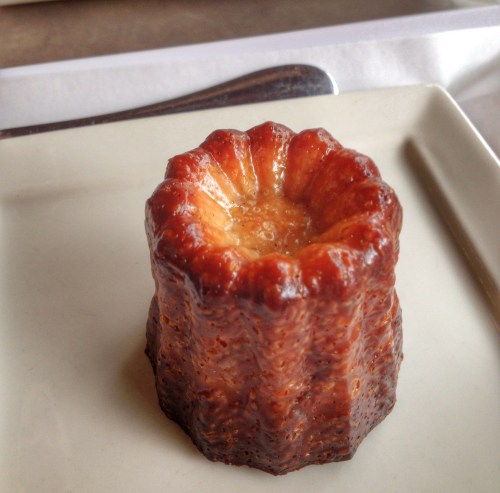
Canelé pastry – a little burst of sunshine

Snow Moon

There are more things in heaven and earth…….’

……than you can shake a stick at, thank you Shakespeare. I went mountain bike riding on Sunday and I sucked. I was already tired from a heavy week of work, my legs ached, my lungs ached, I was the last of the group and never really caught up. It was just one of  those days, and as every mountain biker knows, we all have our turn. Insignificant too in terms of any other problem or issue you could possibly think of, but we all know how we pressure ourselves and let things get out of perspective.

It’s good to look up sometimes, towards the lofty firmament so to speak. I love the night sky – it’s one of the pleasures of camping, to be able to get away from any light pollution and star gaze until you’re too tired to keep your eyes open or too cold to stay out of a cosy sleeping bag any longer –  and had been idly looking up the next full moon. It was to be the next evening, the day after my lowly ride, and not only that, it was going to be the first clear night after days of rain. Suddenly I was fired up to try to take a picture of the moon, even with all the street and building lights around. Adding fuel to the fire was the evocative description of the February full moon by several Native American tribes as a Snow Moon, so-called because the snow is piled high (also called the Hunger Moon due to the difficult hunting conditions). It’s humbling and comforting to think of the moon looking down on all of us.

The only reason I could even take any pictures of the moon without it being a tiny,  blurry dot on the screen is due to a great lens that a childhood friend of Scott’s left him when he passed away three years ago. Sean was  an avid photographer and knew how much Scott appreciated photography. So thank you Sean. (click on the photos for full size gallery)


Save

Fresh Air and Simplicity

‘I went to the woods because I wished to live deliberately, to front only the essential facts of life’’ (Walden, Henry David Thoreau). Lately I’ve been pondering what are those ‘essential facts of life’. They’re different for everyone of course and post (the often indulgent glut of) Christmas this is a classic time of year for many people to start to re-evaluate their priorities in life. Is it less time spent (and I appreciate the irony here) on the computer, in front of the tv, on the phone? More time spent outside, drawing, cooking? It’s not simpler to buy fresh vegetables and cook them rather than opening a can of beans, although in the overall picture, sans canning, it is simpler. Using our bicycles as much as possible to commute or shop doesn’t always feel simpler either, particularly if it’s raining or we have a lot of stuff to carry; but avoiding parking, other drivers, gas and its concurrent cost is ultimately a preferable way to go.

Living in a tiny apartment tends to encourage time spent outside, which I don’t consider a problem. Exercising and spending time in nature is one of those ‘essentials’ for me. Inhaling fresh air and experiencing the vitality of the natural environment is a constant source of strength and joy…..

IMG_1661

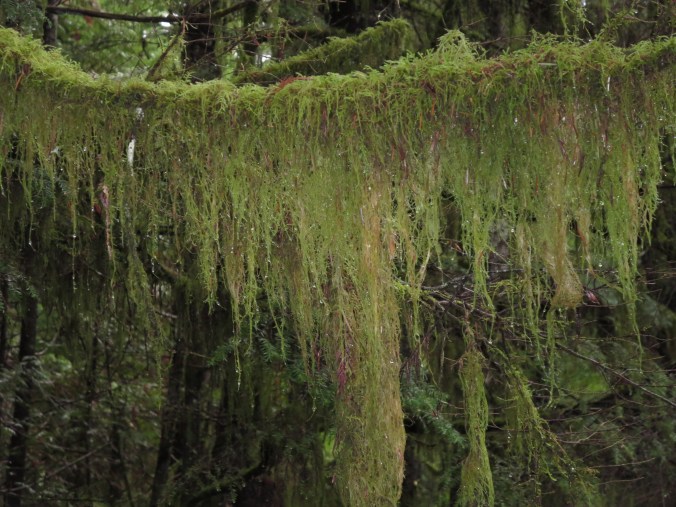
Soaking lichen in November

We’re thinking of reducing our ‘stuff’ in the near future, an attempt to simplify our lives a little. Our treasured mountain bikes won’t be going anywhere. They’re a way to explore our surroundings and exercise at a high level of intensity at the same time, even if it’s challenging as the conditions change.

IMG_0319

Frosted trails

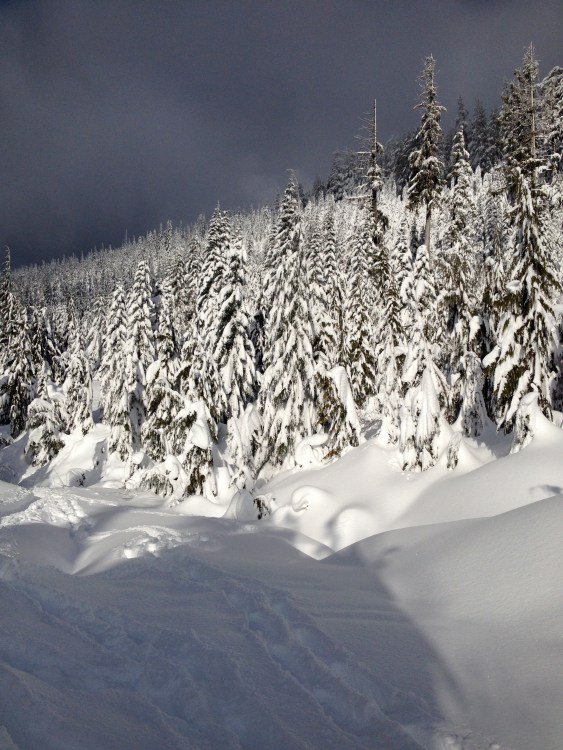
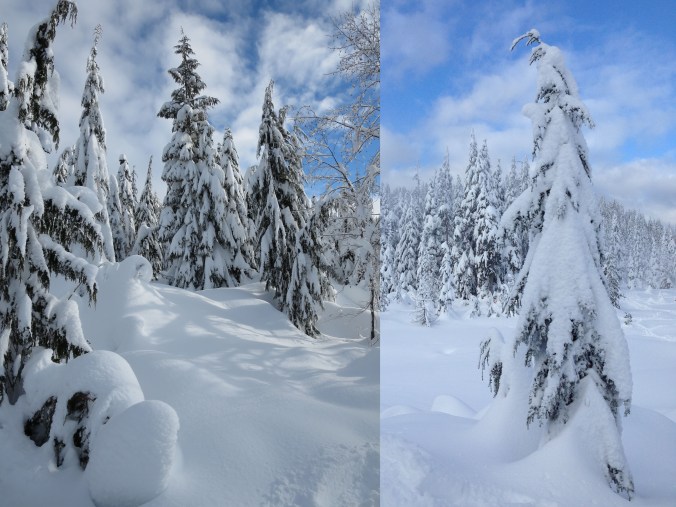
Luckily we can switch to snowshoes (since we actually have snow this winter). Suddenly we’re much more appreciative of the real winter conditions we’re experiencing after a couple of years without the white stuff. I guess in a way noticing this local change in our climate is exponentially increasing our ‘ecological literacy’.

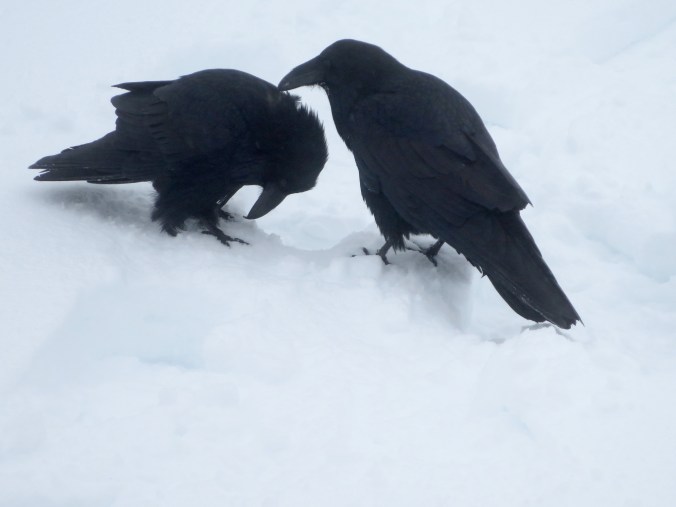
Ravens grooming

Ravens grooming

Before the clouds part....

Before the clouds part….

snowshoe blog photo 1

A glorious day

A glorious day

Part of our ‘simplified’ life is to transition to being vegan. We’re hovering in the vegetarian phase with the intention to drift towards veganism. It’s a moral and ethical choice. Appreciating animals for us doesn’t necessarily mean eating them. But it’s also a moral choice for the planet. Learning that eating meat (and dairy and eggs) could be a major cause of global warming is disconcerting to say the least. And being vegan doesn’t mean being an ascetic, a quick look at relevant cookbooks reveals a cornucopia of choice……besides, I don’t mind rice and beans!


Celebrating Rain

It’s been a fantastic summer here in Vancouver, but with a big price to pay. Drought, wildfires, plant life stressed from the endless sun and heat. None of us have been used to it in this region. It’s made camping easy – no rain gear to worry about – and choosing to jump on the bike very easy, except for when it got too hot. But I’m very, very happy to see the rain; to bundle up in a little extra clothing and to smell the rain dampened air. A quick and easy ride to access from the city is Rice Lake Road up at the Lower Seymour Conservation Reserve. On a drizzly Tuesday last week it was almost devoid of human life, a few branches scattered around from the wild windstorm that had swept in over the area during the week-end (the LSCR had dodged most of that bullet). It was a typically cloudy and misty day à la BC.

IMG_0255

Photo by Scott

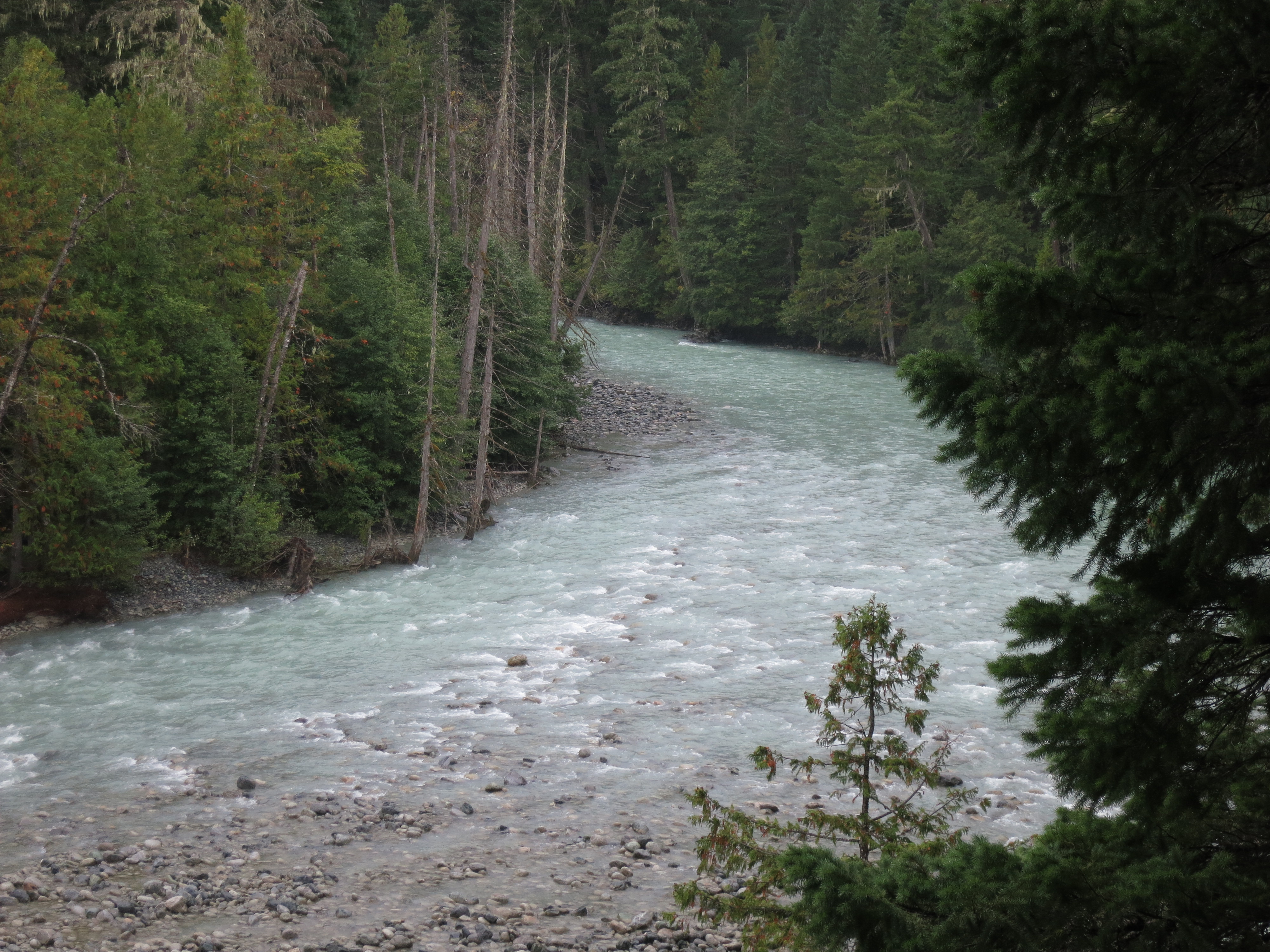
Nairn Falls Provincial Park is a great campground just off the main road between Whistler and Pemberton. One night was all that was needed. A campfire allowed again after a long ban and a prime view over Green River (we didn’t walk to the Falls, too busy struggling to put up a tarp in the wind. In the end the wind won, the tarp ripped right down the middle. We just put up the tent and hoped it would keep the rain out, which it did). Damp, mulchy foresty goodness. We were sitting having a glass of wine when a chipmunk ran up with a pine cone the same size as him. I guess his view was obscured by the cone and he hadn’t seen us. Skidding to a halt he did a quick duck off to the side and ran behind a tree. We heard mad chattering early the next morning outside the tent so perhaps he was still a bit peeved at us….

IMG_5567

Photo by Scott

IMG_5558

Green River


Soup as Art


In pondering what to choose to write for this post and in an effort to get things moving I just moved over to Scotts desk to change-up the energy a bit. Outside the window the finches are yelling at me because I removed the feeder – couldn’t take the pigeons dumping all over the balcony anymore. Besides, birds need to feed insects to their young to make their feathers grow (apparently), so I feel almost virtuous in cutting them off for a few days. The hummingbird is a bit different, if we take away the feeder he may never come back, they hate disruption, and now that hummingbirds are habituated to the city in the winter because feeders have been put up (we didn’t start it!) they need that consistency. I did, in an effort to provide some natural food source, plant a few hummingbird friendly flowers. Our little friend gave them a cursory once over then settled back to the crack cocaine of free, immediate sugared water. Bah.

That was a brief segue. What I meant to say was that I recently re-watched Babette’s Feast, hard to believe it was made in 1987. And it was as wonderful to get lost in it as it was the first time around. A short story by Karen Blixen (Out of Africa) under the pen name of Isak Dinesen, it has some profound commentary  on the creativity of an artist, in this case a cook. Babette says: ‘throughout the world sounds one long cry from the heart of the artist. Give me the chance to do my very best’ and that ‘an Artist is never poor’. Well, the last is true and not true of course. I’m going to digress again here and mention a great quote by Alan Rusbridger who just retired at editor of The Guardian in the UK. ‘It seemed obvious to me that journalism, as an imperfect medium, will always include mistakes……’ (Just in case I get any quotes wrong, I’m no journalist of course, but I do try to check and double-check the information I glean for these posts). I think perhaps many people try, if they have the luxury to do so, to find something that reflects who they really are. I don’t think it really matters, cooking, drawing, sport, reading, writing, being a good friend etc.

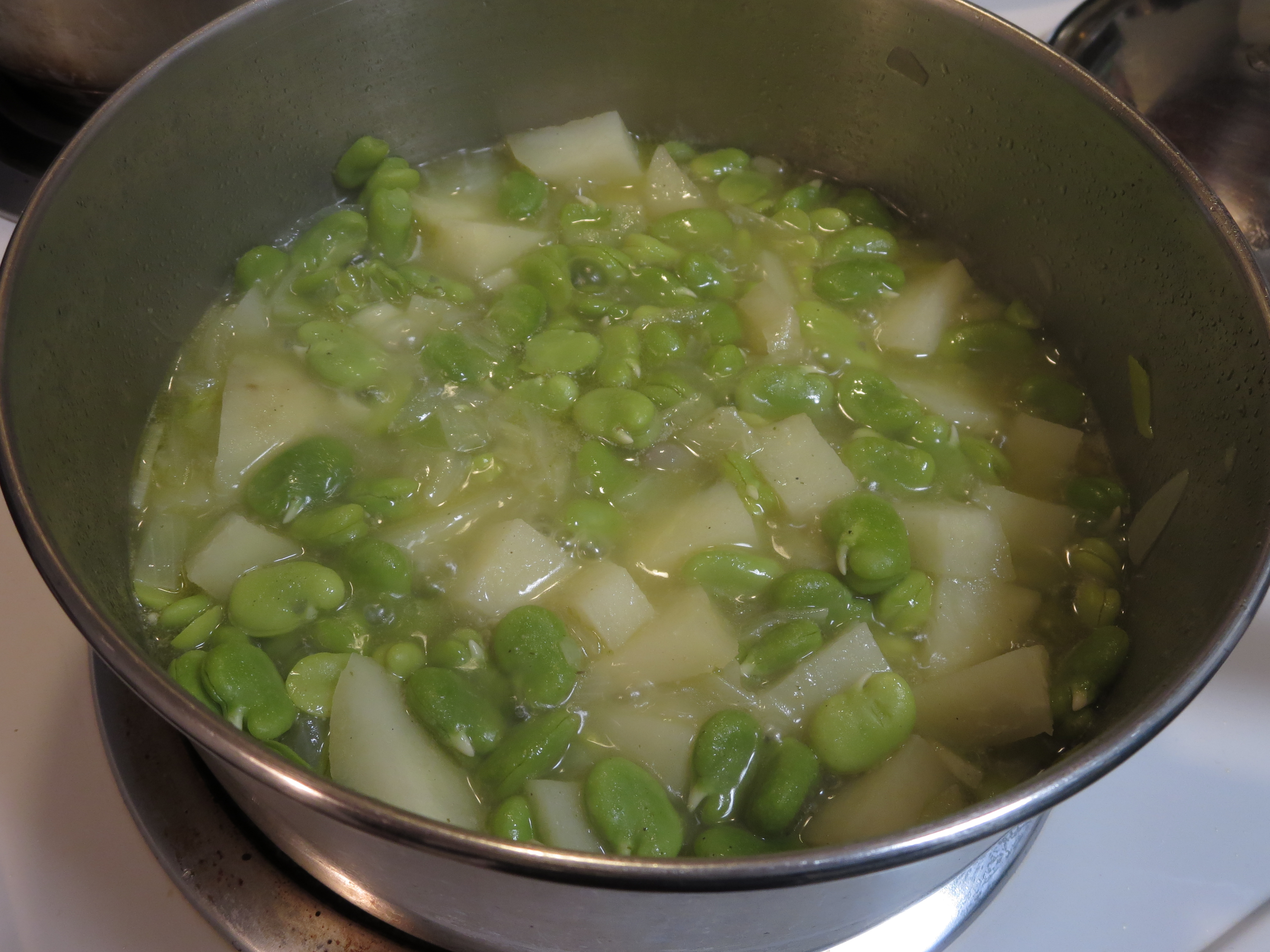
I made a soup a couple of weeks ago. Just enjoying the feeling of making something new, and of making something, from my new favourite cookbook A Kitchen in France. (I’ve even taken to writing annotations in it which shows how much I like it, I have every intention of hanging on to it…..much like we used to do when we were kids, remember how you’d proudly write your name in your book? Never thinking that you wouldn’t always have it, the seeming permanence of childhood!). It was a fava bean soup, cue the inevitable quote, although fava beans are also known as broad beans.

I may have misread the recipe initially. I thought it called for  1Ib of fava beans and duly bought these up in a local store along with all the other ingredients. Chopped shallots, home-made croutons, a bit of fried ham and fresh mint go in the bottom of the bowl and the soup is poured over the top. Substantial and hearty. After I’d painstakingly shelled the beans I was a bit concerned that the tiny bowl of beans I was left with could possibly make a decent amount of soup. Correct. It was Scott who pointed out that perhaps the 1Ib referred to the beans after they’d been shelled. Looking again, I was slightly appalled to see that to get that amount I would need 4 Ibs of unshelled fava beans.

IMG_1326

Heroically Scott headed back to the store, literally bought up the remaining beans (the cashier apparently said they weren’t a popular item and he’d basically bought up all they would probably have in for a while) and then spent the next hour sitting with me helping to shell the damn things. Not only do they have to be popped out of their pods, but they have a fibrous coating around each bean which is best to take off. In the end it was a success, of kinds. Perhaps without the raw shallots and mint next time, and helping hands roped in to help are a must. It wasn’t Art, as my tongue in cheek title suggests, but it was satisfying.
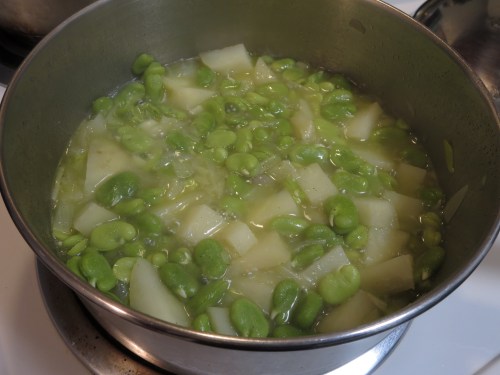
IMG_1334

beans and potatoes bubbling away before being blended…


IMG_1343

some cream cheese and mint on top, ta da!


Air and Trees and Trails, Oh My

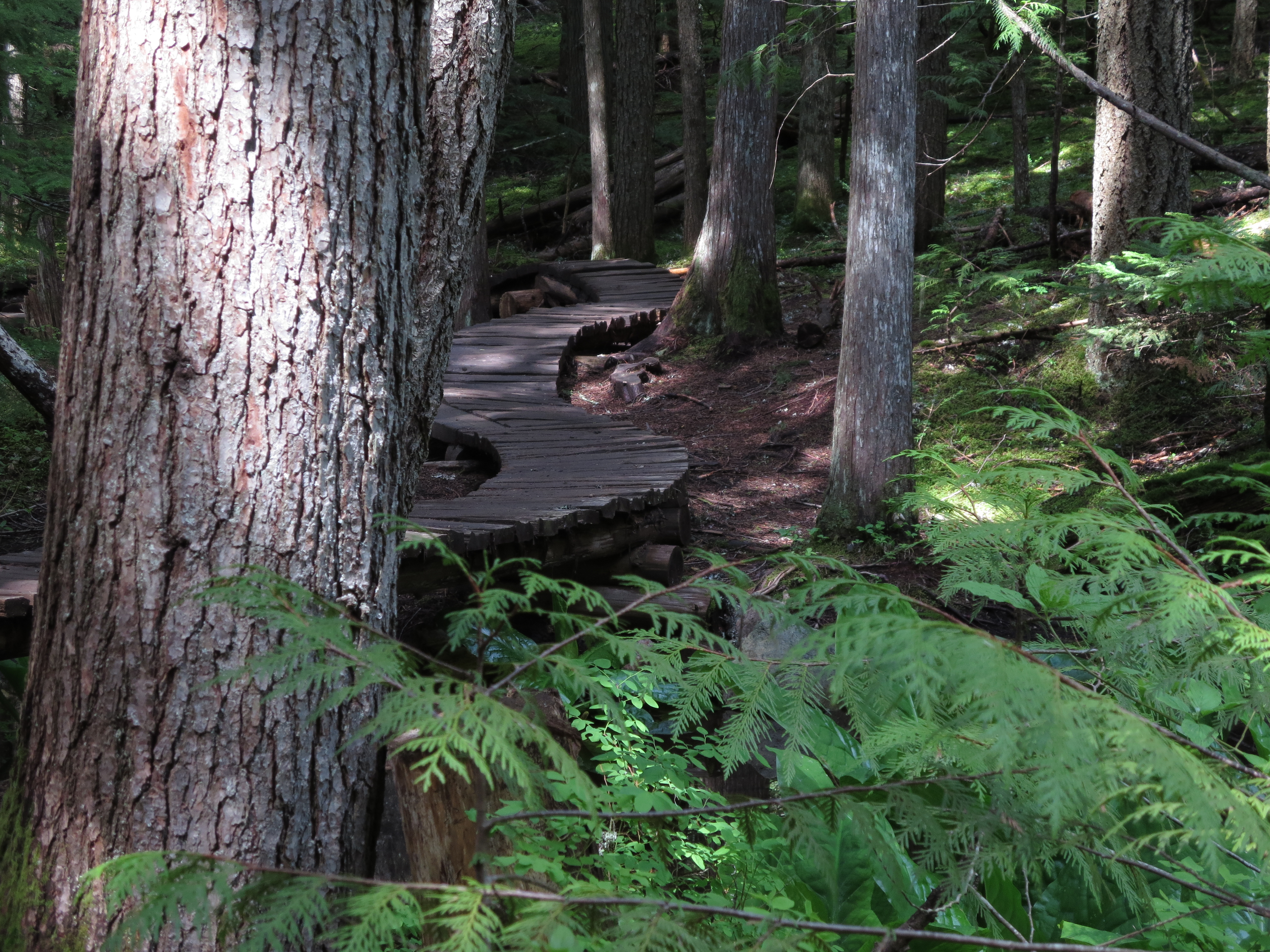
My head has been a little full of stresses the last month or so, sometimes life can get on top of you a bit….work, finances, lingering flus and colds. The minutiae of everyday living that seems to be throwing itself at you relentlessly at times. So last Sunday we threw our mountain bikes onto the newly welded, and no longer rattling, bike rack and headed up to Whistler. Gorgeous day, perfect riding weather in the low 20’s with mostly sun the entire time. There are some great trails hidden away around Lost Lake, techy enough to challenge, steep enough to get you breathing heavily and flowy enough to get up a bit of speed. White Gold Traverse, Pinocchio’s Furniture (lots of wood, duh), The Torture Never Stops, Grand Wazoo, all fun stuff. And the smell of the air – pine scented, aromatic and oxygenated – it felt like our lungs were being scrubbed inside out. Seeing the lichen hanging off trees is heartening to me, a sign of some health in the air, a small escape from pollution. Pushing up White Gold Traverse my legs felt strong, but I could barely speak as I caught my breath. Sometimes I wonder how I ever get up any hill, ever, and at other times I feel as if I could tackle anything. Feeling physically in harmony is elusive, remembering those moments even more so. It takes an effort of will to recall it in the midst of feeling run down, sore and tired.

IMG_1345

Fun Trails


Remembering how it feels though is key to getting out there. No epic ride going on here but good enough to work off a few extra pounds that seem to have crept onto the waistline, how did that happen? Over three hours of riding later we made our way back down the highway – tired in that great post exercise way – headed back to the next week of work but with a better frame of mind to tackle it with.


A is for Asparagus…..

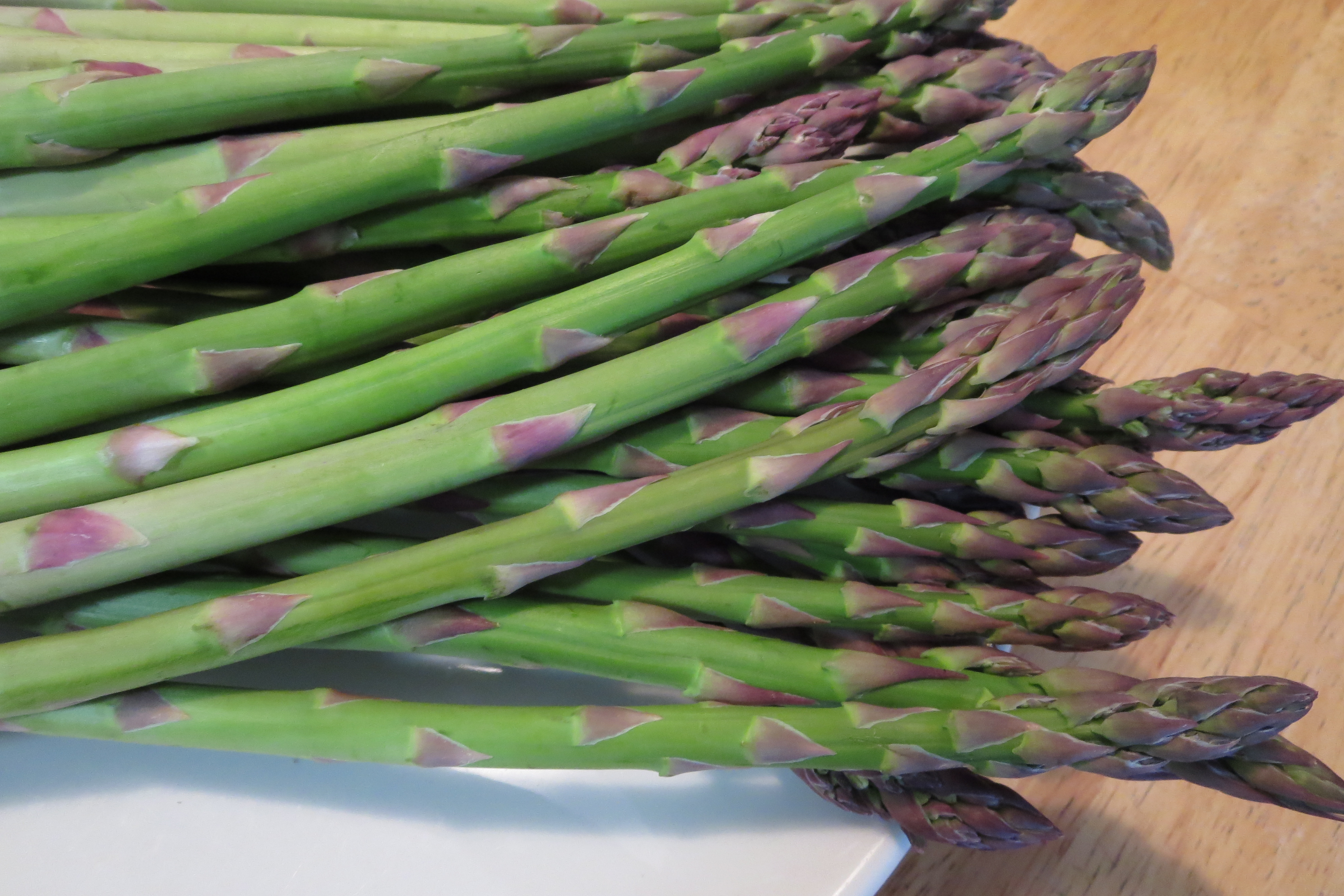
What exactly is the seasonal food here in Western BC? It was late April and I had to admit that nothing immediately sprang to mind. So I had a quick look online and was surprised to discover that asparagus and fava (or broad beans) should have been available. Well, the beans would be greenhouse grown. I’ve been following the blog Manger, of which I’m a fan and ended up buying the author’s recently released cookbook, A Kitchen In France. And because the focus is on seasonal recipes (in a region of France where the weather in April doesn’t seem entirely different to the West Coast of Canada) I was pretty happy to notice that there was a recipe for both vegetables.

I thought I was a fairly aware person when it came to fresh, organic or at least local produce and I love to frequent farmers markets once they open shop again in the city, but this lack of knowledge in seasonal produce showed up a huge gap in my education. It’s as if I’ve forgotten chunks of my childhood in the countryside in England, and I have a generally good memory. We had a vegetable plot with many different varieties of produce, my sister and I would be sent out to pick chilled Brussels sprouts off their stalks in the winter, but otherwise only the really obvious plants seem to have stuck in my mind. Summer is easy – tomatoes, strawberries, lettuce, cucumber etc. Winter for many root vegetables, but those shoulder seasons?…..

Now I’m on a bit of a mission. I’m a fan of J.B Mackinnon’s writing (The Once and Future World, short stories from Outside). A few years ago he and Alisa Smith wrote the 100 mile diet. I’d heard a lot about it and it’s since gone into the lexicon of our language for those even remotely interested in local produce and reducing their carbon footprint, but I had never gotten around to reading it. I ordered it from the library then raced through it, increasingly inspired by their, at times contentious, search for a variety of seasonal produce.

Fired up with all sorts of thoughts relating to ‘seasonal’ and ‘local’ I powered in one day after work to a local organic store and proceeded to ransack their shelves for vegetables. Hmmm, well I admit I bent the rules a little. Not entirely local and seasonal, more a case of seasonal, almost, but not necessarily local. And like a kid in a candy shop I wanted to try everything. No fava beans, but I bought Jerusalem artichokes (sunchokes) from the Okanagan, asparagus (from the States, oops), oyster mushrooms, potatoes (States again) and red snapper (which came from about 200kms away and was probably the most local thing I bought that day). Oh, and actually local rhubarb. Cooked whilst following a Jamie Oliver recipe that used grated rind of orange, about as un local and unseasonal as you can get.

I cooked everything. Note to self: pick one main item and build a meal around it. Don’t make every item the main focus, chaos inevitably ensues. I had every available pot and pan going as each vegetable needed its own space and cooking time. I pulled it off, mostly, although the meal was a little less than hot and fresh and more lukewarm and slightly soggy from waiting a few crucial extra minutes for various vegetables. This is of course down to my abilities, or lack of, as a cook. But there is a case of too much of a good thing. And the amount of energy used just to cook everything negated any savings I might have made by choosing the more seasonal vegetables. Each item had its own charm and delicious taste though, sunchokes are surprisingly good. Washed and tossed in olive oil and garlic, then roasted in the oven for about 35mins, they make a welcome change from potatoes. But asparagus, ah! Fried in the inimitable olive oil and garlic, the greenness of them epitomizes the fresh colour and taste of spring. It wouldn’t be such a hardship to live on this spring vegetable for a while……

IMG_1323

Spring is Sprung (well, nearly)

A slight chill in the air, but gorgeous blue sky and Magnolia trees showing their worth, some of their blooms already about to expire, others just starting. People walking around with cameras to catch the life sprouting, it’s irresistible.

DSC_7928

DSC_7929

Letting Nature Flourish

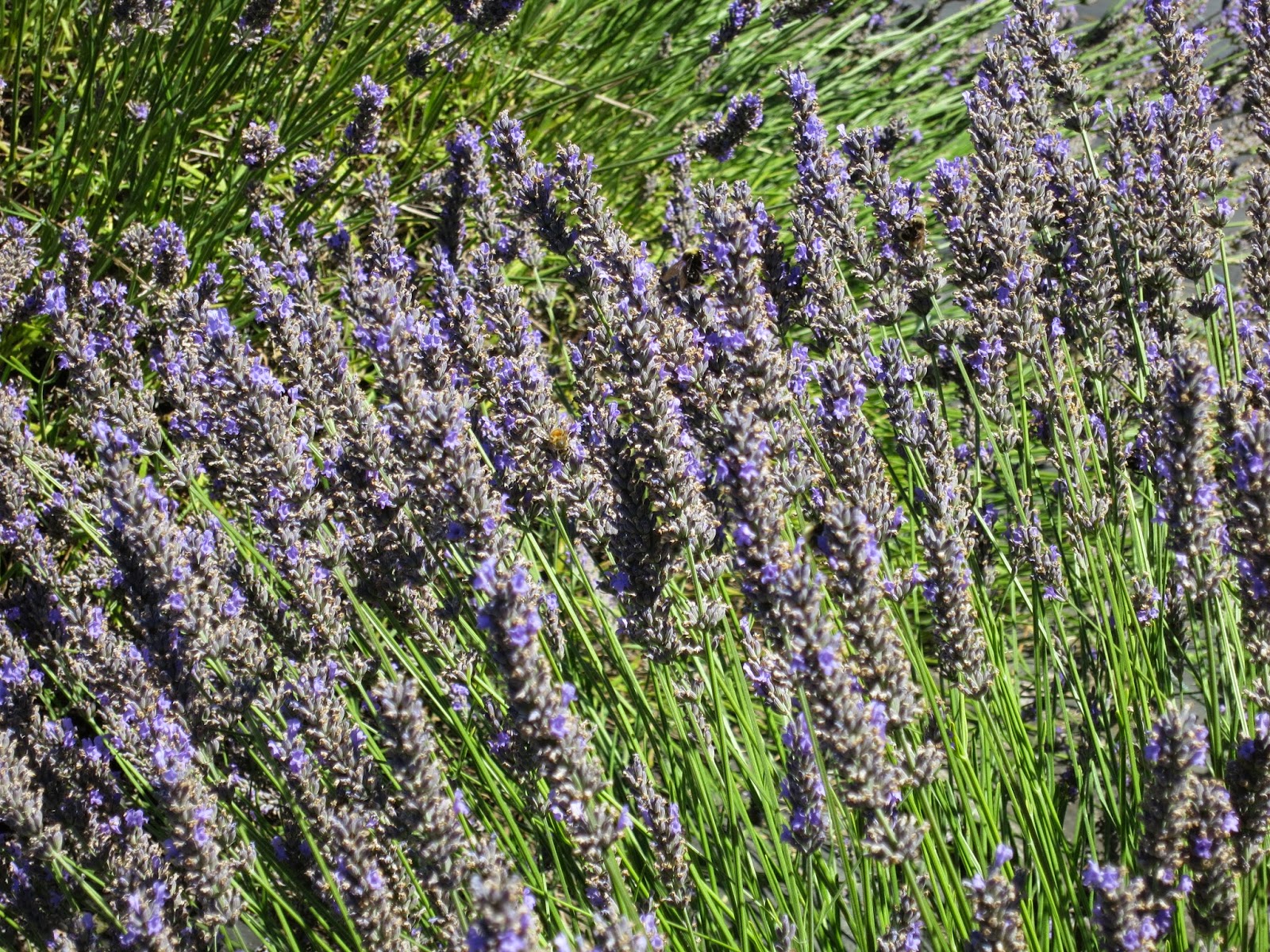
A couple of summers ago we visited a small, out of the way lavender farm not far from Portland, Oregon called Lavender Thyme Herb Farm that grows and sells a wonderful variety of lavender as well as other plants and herbs. 

As far as I know it doesn’t purport to be ‘organic’, but nor does the owner, Taffy, appear to use any chemicals (nor does she produce her own lavender oil, instead selling the whole plants). It is a small oasis in the midst of bland fields of crops that surround it on other farms. Taffy mentioned there had been a noticeable decline in butterflies in the area, apart from on her small property. I believe she was talking of the Monarch butterfly which I’m waiting for her to confirm. Perhaps the decline is due to the overuse of pesticides and the dearth of variety in the crops planted in the surrounding area? This is not a new phenomenon, Monarchs are in trouble: Saving the Monarch Butterfly 

We weren’t actively noticing the butterflies and birds as we approached the farm along quiet country roads, but it was immediately apparent when we walked onto Taffy’s property that life was abundant and thriving. Trees provided much appreciated shade, birds and the beleaguered butterflies were flitting about constantly amongst the various plants. The lavender was predictably full of bees (they do seem to love blue flowers, and the pollen they provide), a hypnotic hum rose up from the plants in the baking sun. 

24605-img_1025
Echinacea flowers

Echinacea flowers


Having read Feral recently by George Monbiot, I started thinking a little more about the pockets of vibrant growth in nature in the midst of a ‘desert’ of monoculture. There’s more and more awareness now of the effect on wildlife, including pollinators, when surrounded by tracts of single crops. Forget the lack of diversity for a minute, diversity which when it’s present is intriguing and stimulating, countering the ‘ecological boredom’ that Monbiot talks of. Important pollinators such as bees do not fly across vast open expanses – see this article in the National Geographic about habitat loss and pesticide danger: Bees in Peril. Inevitably it seems the swathes of crops planted in a monoculture fashion rely on pesticides and fertilisers to grow. Birds are not attracted to areas that offer little to no refuge from predators and the weather in the form of stands of trees, hedgerows or bushes, grasses etc, where they can feast on unwanted insects. In the UK there’s a great organisation called Trees for Life. Their work is attracting a wonderful variety of wildlife, including birds, as native woodland is painstakingly reintroduced, in this case to the Caledonian forest in Scotland. There are some amazing people out there doing some amazing work……