Letting Nature Flourish

A couple of summers ago we visited a small, out of the way lavender farm not far from Portland, Oregon called Lavender Thyme Herb Farm that grows and sells a wonderful variety of lavender as well as other plants and herbs. 

As far as I know it doesn’t purport to be ‘organic’, but nor does the owner, Taffy, appear to use any chemicals (nor does she produce her own lavender oil, instead selling the whole plants). It is a small oasis in the midst of bland fields of crops that surround it on other farms. Taffy mentioned there had been a noticeable decline in butterflies in the area, apart from on her small property. I believe she was talking of the Monarch butterfly which I’m waiting for her to confirm. Perhaps the decline is due to the overuse of pesticides and the dearth of variety in the crops planted in the surrounding area? This is not a new phenomenon, Monarchs are in trouble: Saving the Monarch Butterfly 

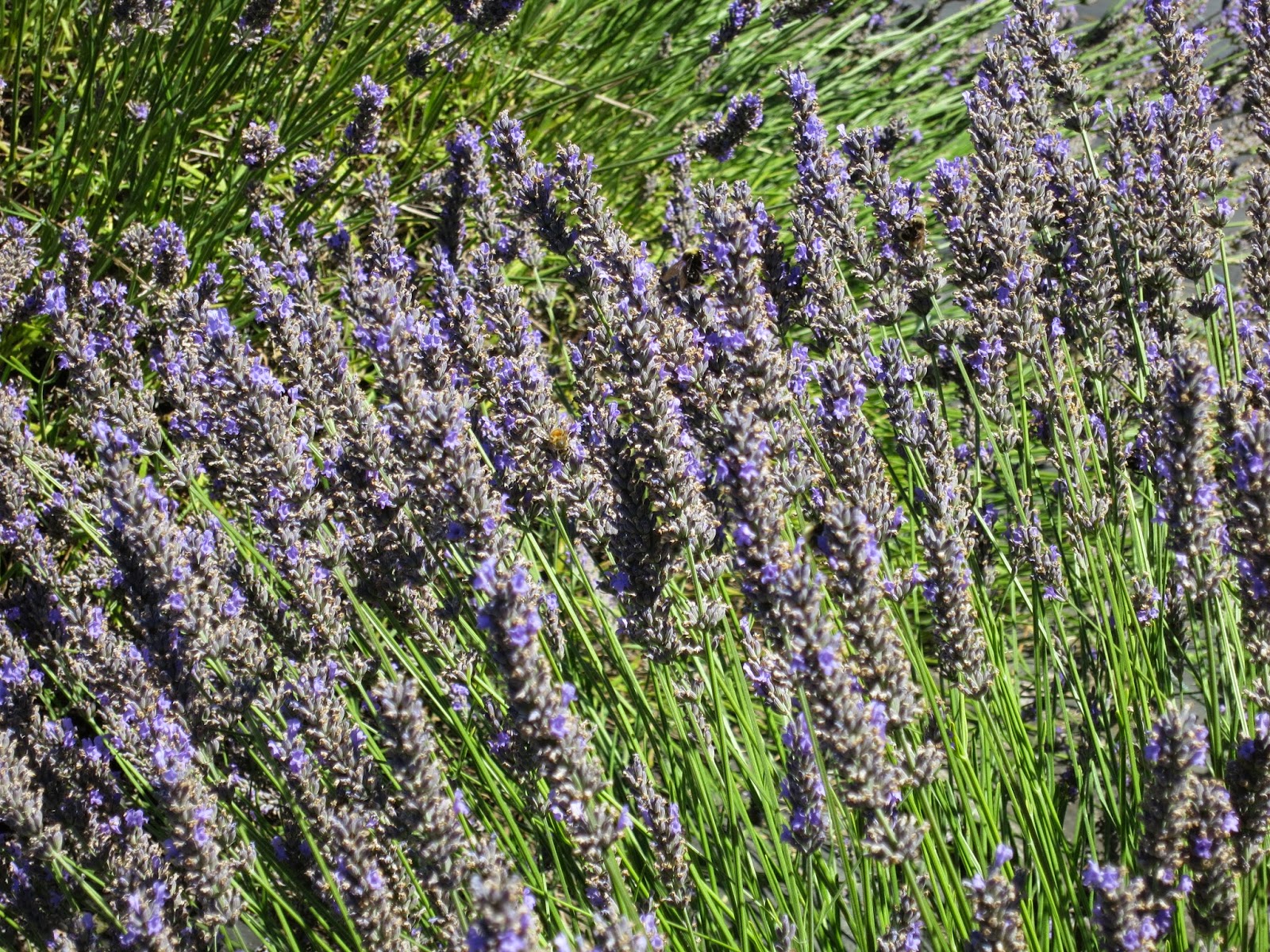
We weren’t actively noticing the butterflies and birds as we approached the farm along quiet country roads, but it was immediately apparent when we walked onto Taffy’s property that life was abundant and thriving. Trees provided much appreciated shade, birds and the beleaguered butterflies were flitting about constantly amongst the various plants. The lavender was predictably full of bees (they do seem to love blue flowers, and the pollen they provide), a hypnotic hum rose up from the plants in the baking sun. 
24605-img_1025
Echinacea flowers

Echinacea flowers


Having read Feral recently by George Monbiot, I started thinking a little more about the pockets of vibrant growth in nature in the midst of a ‘desert’ of monoculture. There’s more and more awareness now of the effect on wildlife, including pollinators, when surrounded by tracts of single crops. Forget the lack of diversity for a minute, diversity which when it’s present is intriguing and stimulating, countering the ‘ecological boredom’ that Monbiot talks of. Important pollinators such as bees do not fly across vast open expanses – see this article in the National Geographic about habitat loss and pesticide danger: Bees in Peril. Inevitably it seems the swathes of crops planted in a monoculture fashion rely on pesticides and fertilisers to grow. Birds are not attracted to areas that offer little to no refuge from predators and the weather in the form of stands of trees, hedgerows or bushes, grasses etc, where they can feast on unwanted insects. In the UK there’s a great organisation called Trees for Life. Their work is attracting a wonderful variety of wildlife, including birds, as native woodland is painstakingly reintroduced, in this case to the Caledonian forest in Scotland. There are some amazing people out there doing some amazing work……

 

When Is A Lemon A Lemon?

I think I drew a lemon. What I mean is, it’s a ‘lemon’ in the flawed sense of the word. This is the first drawing from life, as opposed to copying from another illustration. Having to guess the colours used (not all yellows are created equal!) and then take the plunge. The citron I used has a very smooth rind, not like, for instance Amalfi lemons. So perhaps next time……meanwhile I have some learning to do, and practice.

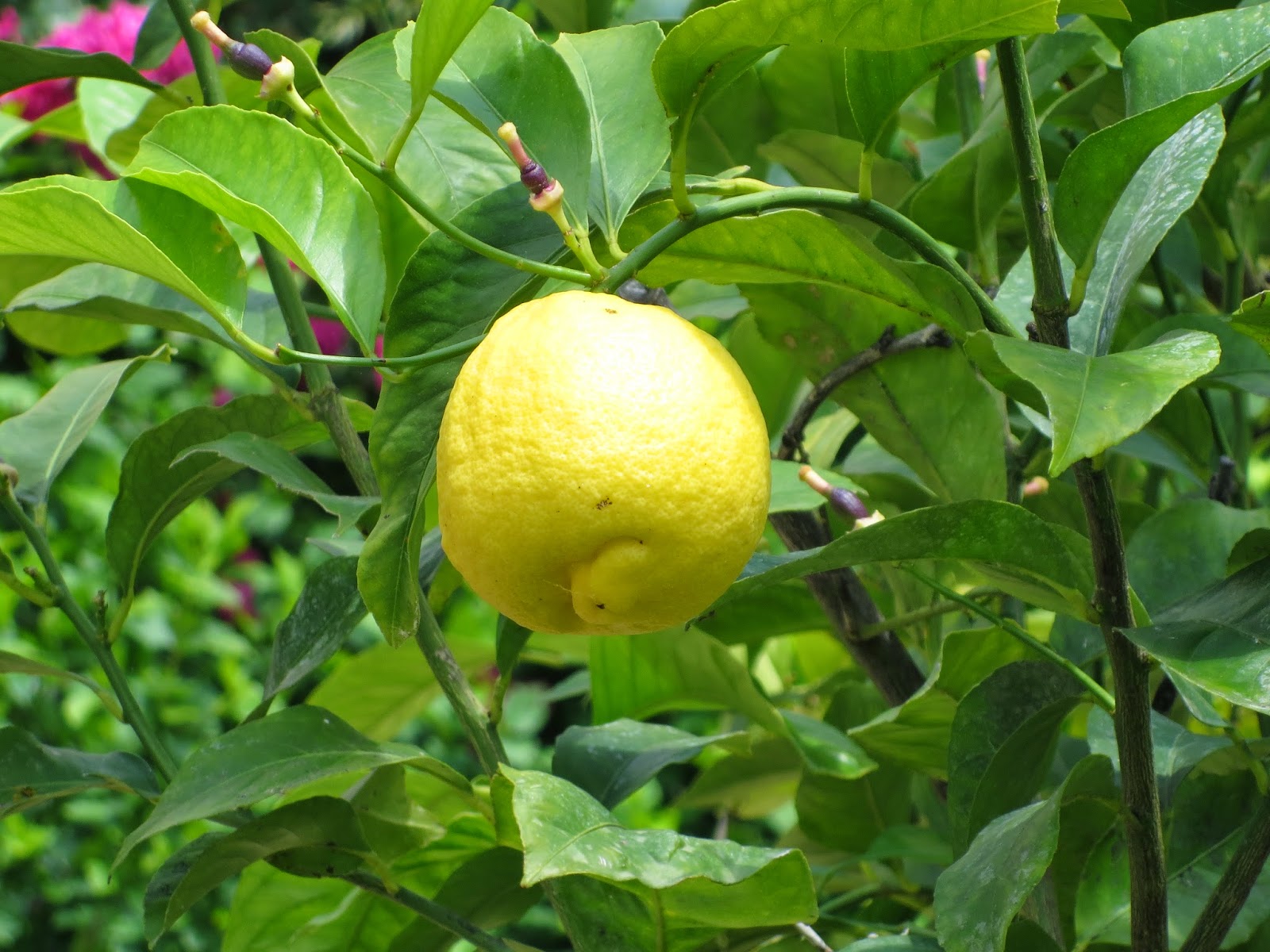
 It’s certainly nothing like this lemon in a garden in France!

Rewilding

Just a quick post about some great reads on the environment. Earlier in the year I’d read a book I loved called The Once and Future World by J.B. MacKinnon (2013). In it he talks about ‘rewilding’, not only protecting natural habitats but actually rebuilding a wilder world. In doing so we enhance our own experiences and interactions with nature and rediscover our own truer nature. 

Today I just stumbled across a beautiful essay on the BBC website by environmental and political writer George Monbiot: Back to Nature and he references rewilding as well. Actually he too has a book on the subject called Feral, also published in 2013, which I’m about halfway through. I had first come across Monbiot when I read his book Heat; about climate change, global warming and the means to cut carbon emissions. It’s a great read, inspiring and encouraging. Amidst all the gloom and doom and dire prognostications for our natural world, there does seem to be some hope, evidenced in the works of both of these authors.  

IMG_0229


The Fragrant Road

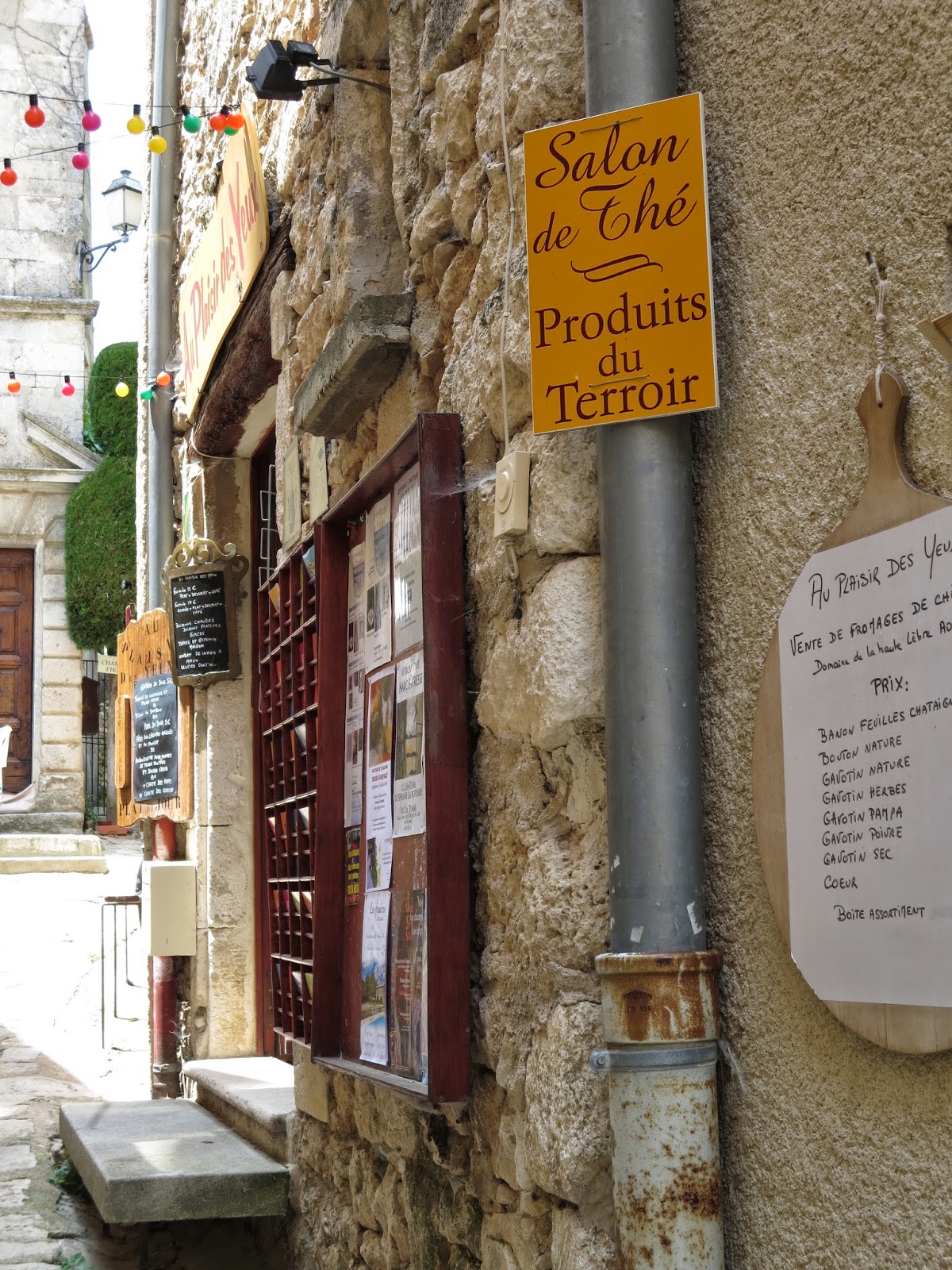
A few years ago I was in France for a family holiday (that country is becoming a bit of a theme in my life) and managed to get to a lavender museum and shop which sold some of the best smelling lavender I’ve ever come across. It’s basically the champagne of lavender as far as I’m concerned. The museum is associated with a farm in Lagarde d’Apt in Provence, which Scott and I almost managed to get to on our cycle tour. I say almost ‘cos it was where we were headed on a day trip after a delicious outdoor lunch in a narrow alley way in Simiane-la-Rotunde. A couple of times the sun broke out, looks idyllic doesn’t it?!

We had to rush to eat this fabulous tasting pâté

But the owner of the restaurant kept darting out to bring and collect dishes and would stare upwards with frequent worried looks as clouds collected and darkened. Much sotto voce muttering was going on and she started moving faster and faster to clear away tables and chairs as diners finished up. As the first sounds of thunder rumbled across the sky we realized we should probably head back to our hotel in Sault rather than riding up to an area that’s high and exposed (Lagarde d’Apt also has an observatory). Just as well, our trip back was a drenching one. Hailstones the size of small rocks painfully bounced off our hands. Thunder and lighting rolled around us and we could barely see each other on the road through the downpour. We briefly considered lying in a ditch to get down low in an area that was flat and open to hide from the lightning, we were on moving lightning rods after all, but opted for huddling under some bushes in a driveway. A woman was trying to start her flooded car outside the house nearby, ignoring us completely. Finally her car fired up and she drove past with the briefest of nods as we stood on her property, water pouring off us. 

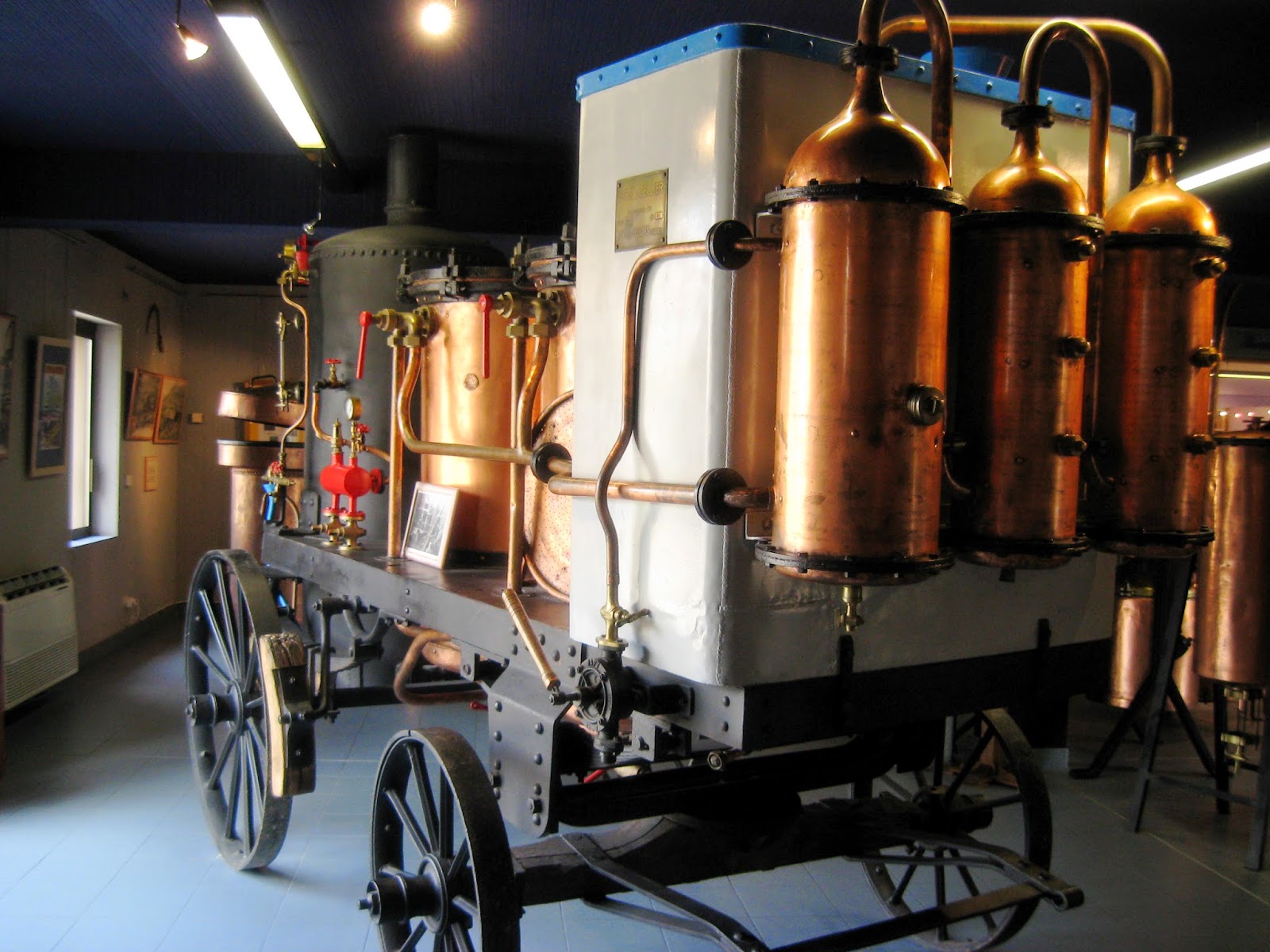
Back to the museum though. Being the Aromatherapist that I am, it was a great experience. Lots of distillation units, the history of lavender growing in the region and plenty of info about this great oil. 

IMG_0133


Provence is famous for it’s production of lavender and related products. The plant is a significant part of the local economy. ‘Lavender is the soul of Provence’ as Jean Giono said, a famous french author who lived and wrote in the region. He penned novels such as The Horseman on the Roof (now there’s a romantic, hallucinogenic story, and movie, if ever there was one) and The Man Who Planted Trees (a deceptively simple story that sparked numerous conservation endeavours. It’s also the smallest, shortest book I’ve ever bought).

Frankly it’s just beautiful to ride around and see the fields beginning to show the first blush of purply blue flowers.

lavender fields


Season of Mists and Mellow Fruitfulness……


 So said Keats in To Autumn which makes this time of year sound warm and fuzzy and comforting. And it can be, like wrapping a large blanket around yourself and sitting in front of an open fire being slowly hypnotized by the burning embers. Unless of course you’re out in a torrential downpour, the rain horizontal with the ground making an umbrella pretty redundant as you miserably fight your way onto crowded, damp buses. 

But I digress. It is a lovely time of year, once you’ve gotten used to letting go of summer. (Only another four months until the clocks go forward, yay!). In the meantime, it’s easy to appreciate some aspects like an unexpectedly sunny day that encourages a tromp in the woods. 

Or on a nearby beach…..

But mostly it’s about the enticing treats that glow in shop windows! 

Mont Ventoux or Bust

In our three weeks of riding in France this summer one area we knew for certain we’d be headed for was Provence, specifically the Vaucluse region. It’s famous for it’s lavender fields (as an Aromatherapist this was a priority for me to see) and for Mont Ventoux. Not the biggest mountain to ride up but one that has taxed many a rider of the Tour de France. We’d talked it over with friends before we left on the trip. There’s an ‘easy’ side and two ‘harder’ sides. Well, no guesses for which approach we decided on! As a first time cycle tourer I needed all the help I could get.

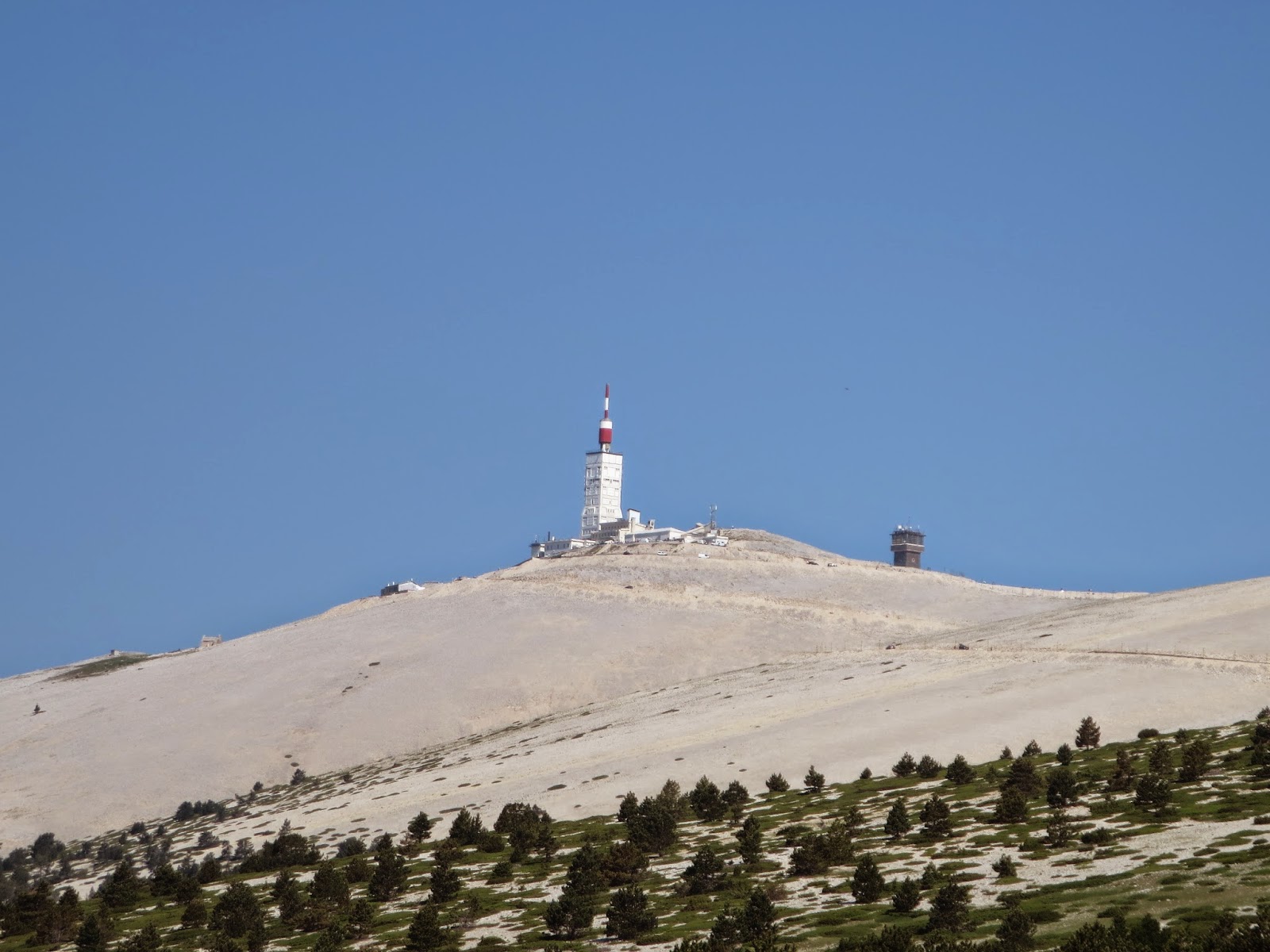
Summit of Mont Ventoux

‘Course, we would happen to be there in the midst of a heatwave, in early June. The day we decided to head out from our hotel in Sault the temperature was expected to reach 36c. What to do? We only had a couple of nights left in town. We knew we’d need a day to have a more leisurely ride after Mont Ventoux and then we’d be leaving for our next destination. There was no question of not trying to ride the mountain, although I did suggest we could always ‘go and have a look’ and back out if we didn’t feel like it without giving ourselves too much of a hard time.

The couple who run the hotel we were staying in in Sault, Jean-Luc and Patricia, were great and used to riders. Actually, they were completely booked that weekend with cycling groups. I think everyone figured they’d had the weather beat by booking at this time of year and all had been caught out. For our hosts it must have been like watching hordes of locusts eat their way through fields of yoghurt, bread rolls, croissant, jam, butter, orange juice, cold cuts, cheese, cake! (great energy boost), coffee, water, water, water. And then start over.
 

The welcoming Hotel d’Albion. That’s a garage for bikes on the right!

 From Sault it’s a relatively short ride to the Mont Ventoux, 26km in all. The first 20km was gorgeous, forested, shady, and so quiet. It felt easy, even if the heat was beginning to build. As were the numbers of riders and, surprisingly, speeding drivers. Apart from a couple of notable areas French drivers are very respectful of cyclists, making a point of slowing down and giving you a lot of room.

The approach to Mont Ventoux. Forested and shady

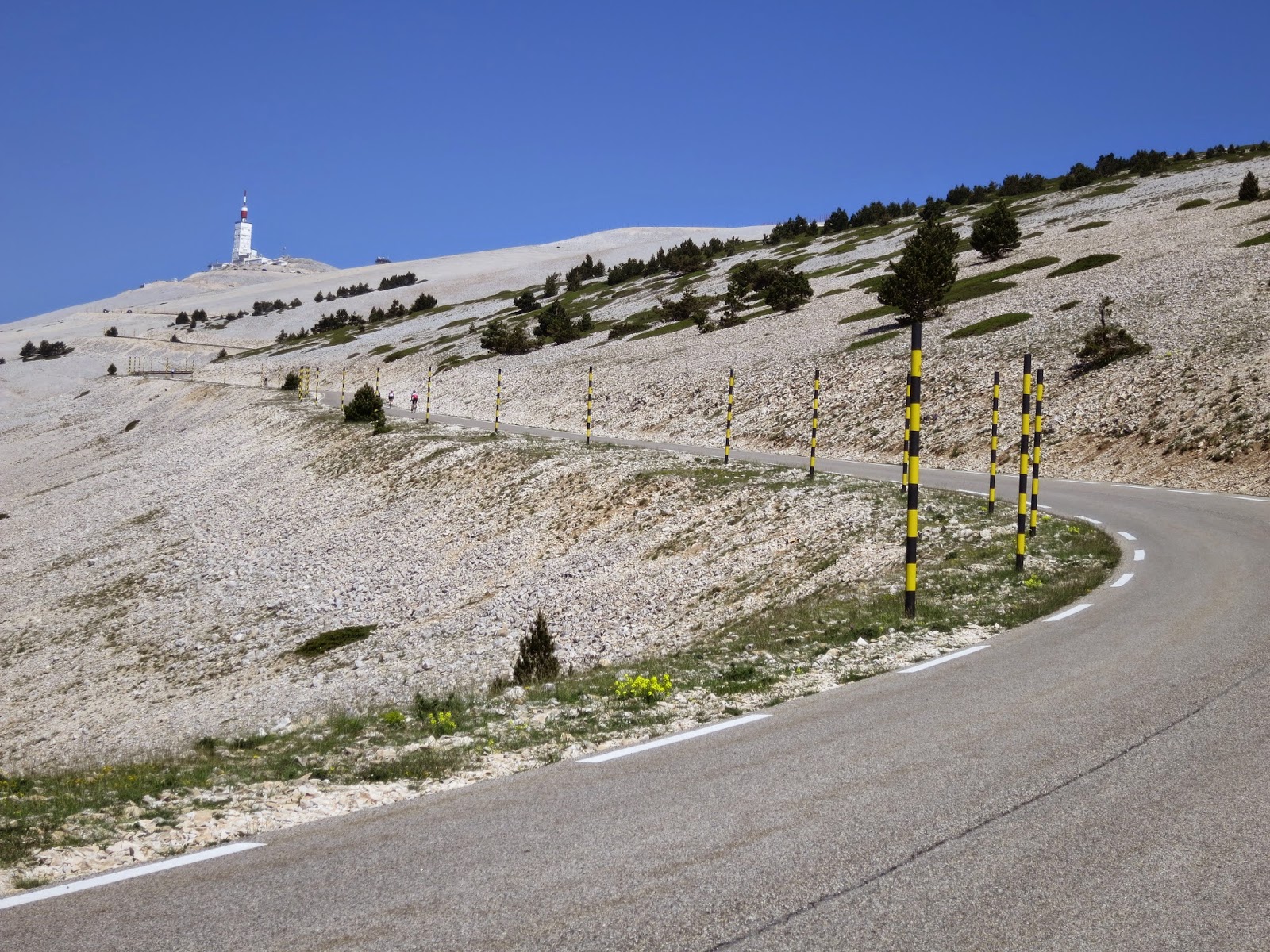
Quite suddenly however, we rounded a corner for the last 6km and it was as if we hit a wall. The famous ‘moonscape’ view of the mountain hove into our sights. The road angled around and up, cutting through the rock that gives the mountain top the famous snowcapped look. Supporters of a local bike race that day were throwing buckets of iced water over the heads of the competitors, photographers took photos as riders toiled past and ran after them to tuck business cards in the back pockets of cycle jerseys. ‘Bonne chance!’ was yelled at us as we rode past. Mon Dieu! Did we need good luck? Why?!

The long and winding road

We soon found out. It was intensely hot as we started to toil up the last few kilometers and I couldn’t seem to drink enough water. And my legs! They would just stop revolving after a couple of corners, irrespective of whether I wanted them to keep going or not. I honestly didn’t think I would be able to reach the top, but when you have the summit in your sights, and more importantly when it seems everyone else is going to get there (there were multitudes of cyclists in various states of pain toiling their way up), it just doesn’t seem right to not at least give it your best try. We fell into a rhythm of ride, stop, gulp air and water, repeat. 

Scott digging in

 As we got closer to the top, the air temperature dropped dramatically – a real lifesaver. I have to admit as we rounded the last, and very steep, corner, I was thrilled. You really don’t know what you can do until you try, sometimes you just have to pull on that stubbornness and let it do the work. We milled around with hundreds (so this is where they all were, after all those quiet country roads we’d been on) of other cyclists for a while. Downed sandwiches, drinks and chocolate and a little reluctantly headed down for a fast and furious ride back to town and a well deserved wine and beer. Fabulous! 

Have Treats, Will Eat

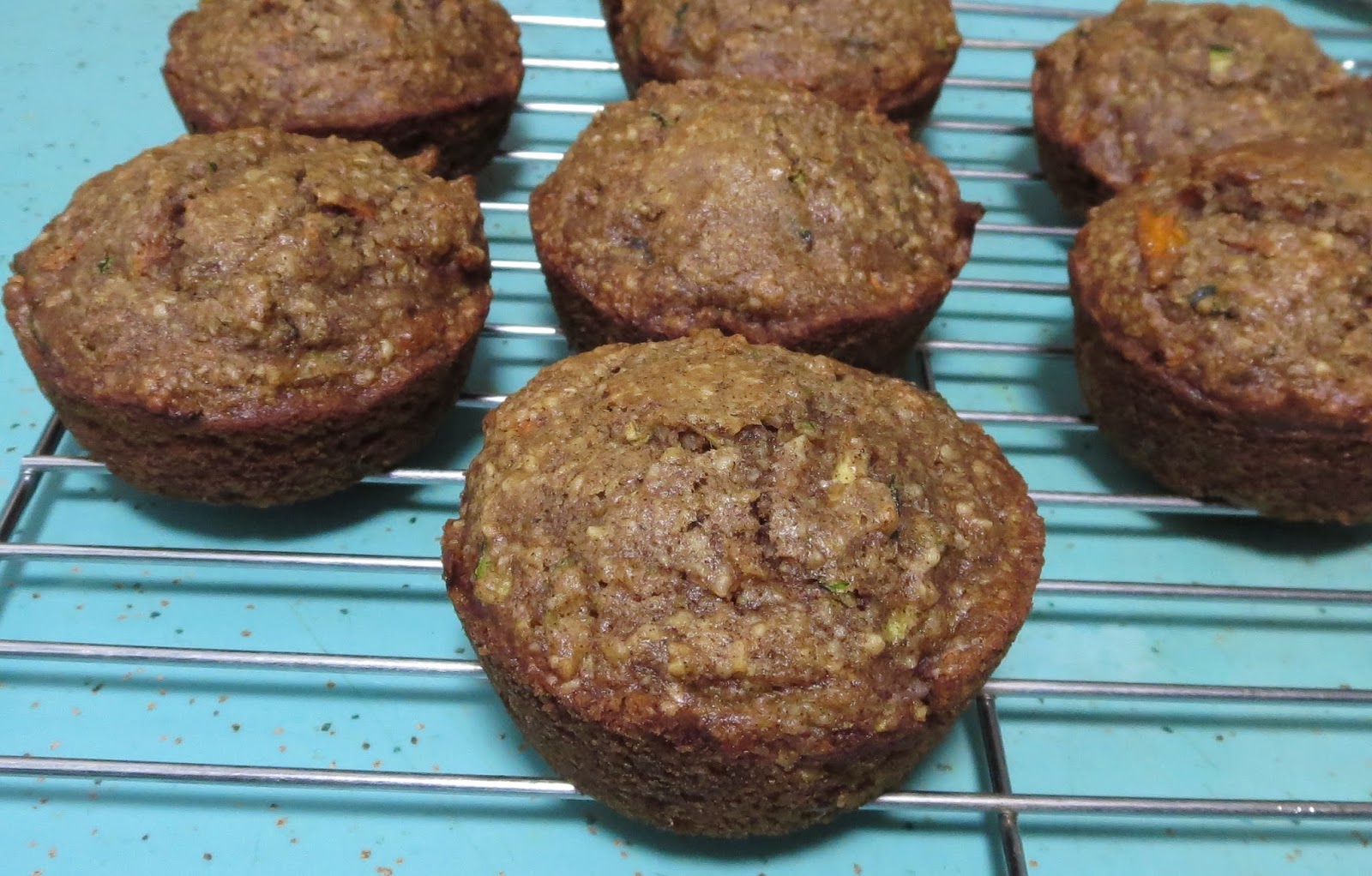
I have to tell you about some delicious, healthy muffins I stumbled across. Gluten free if you want them so, chock full of carrots and zucchini. I chose all organic ingredients but that’s not essential depending on what you have to hand, carrot zucchini muffins

I happen to love olive oil above all oils so I used that instead of coconut oil. Sometimes I use a mix of ground almonds and regular flour. The muffins are pretty moist which is great, but occasionally I’ll reduce the amount of olive oil and maple syrup so they’re a little lighter. Oh, and I don’t bother with a mini muffin pan, I just use a regular sized pan! 


Carrot zucchini muffins